
Dual speed motors
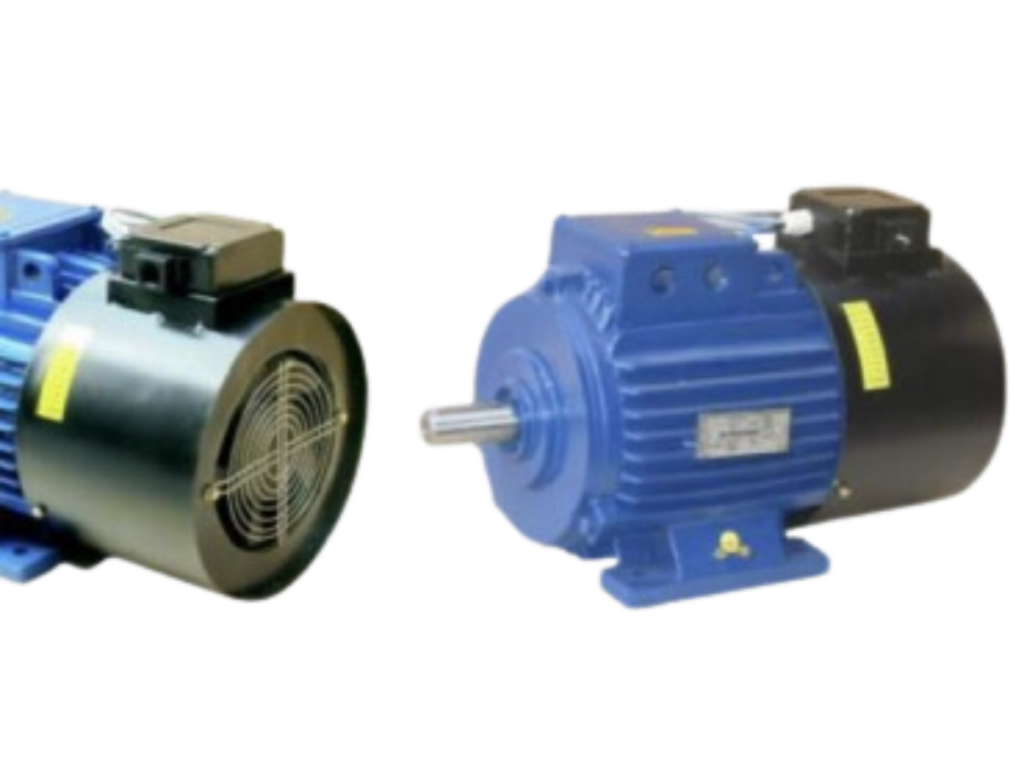
About the product
Many application in industry needs dual speed motors. The motors work on either of the speed as selected.
Features
The speed change can be achieved by separate winding of the motor or by changing the pole connections.
By and large the output torque of the motors remains same in both speed and hence the power of the motor changes with respect to speed. Application of dual speed motors are endless, to name a few dual speed motors are being used for hoisting , positioning application for precious positioning and avoid jurking, centrifugal fan or pumps for energy saving, machine tools for batter size control and special tooling operations.
Need more help?
Reach out to Ikoneec Motion Solution for premium gearboxes, motors, and drives. Call us or visit our website for expert solutions tailored to your needs!
sales@ikoneec.in
+91 8668218348
Common Questions
Dual speed motors
A: A dual speed motor is an electric motor designed to operate at two distinct speeds, typically achieved by varying the number of poles in its windings or through a variable speed drive. This feature allows greater flexibility in applications requiring different operational speeds.
A: Dual speed motors offer several advantages, including:
- Energy efficiency by operating at a lower speed when full power isn't needed.
- Enhanced performance for applications requiring variable speeds.
- Reduced mechanical wear by matching speed to the task.
- Cost-effectiveness as they eliminate the need for multiple motors.
A: Dual speed motors are commonly used in:
- HVAC systems (fans, blowers, pumps).
- Industrial machinery requiring variable speeds.
- Conveyors and material handling equipment.
- Cooling systems and compressors.
A: Switching between speeds can be achieved through:
- A manual or automatic controller.
- Adjusting the motor windings or using a pole-changing mechanism.
- Integration with variable speed drives (VSDs) for smooth transitions.
A: Yes, they enhance energy efficiency by operating at a reduced speed when full capacity isn’t required. This minimizes energy wastage and reduces operational costs.